
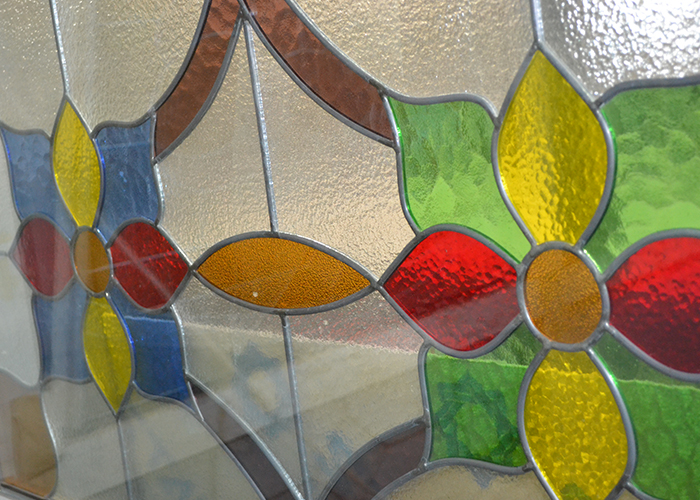
Colored glass is a form of glass that includes additives or pigments to give it color. It can be utilized for a variety of purposes, including creative expression, architectural design, and practical applications.
Colored glass comes in various forms, such as stained glass, glass art, and industrial glass. Each category can showcase different hues and levels of transparency. The hue can also influence the glass’s properties, including light transmission and resistance to chemicals.
According to the International Glass Association, colored glass is made by incorporating various metal oxides, like cobalt for blue or chromium for green. These additives not only affect the color but also the overall characteristics of the glass.
Factors that encourage the use of colored glass include artistic movements, improvements in glass manufacturing technology, and the appetite for distinctive design features. Environmental awareness also fuels interest in sustainable and recycled glass options.
Colored glass plays a significant role in enhancing aesthetics in architecture, fostering artistic innovation, and contributing to cultural legacy. It also fulfills functional requirements across diverse industries, such as construction and packaging.
